PPC in marketing means pay-per-click advertising: you pay to show an ad near the search results when someone types a search linked to your offer, and you pay each time someone clicks it. The same job has other names: SEA (Search Engine Advertising) in French, SEM in Spanish, and paid search or sponsored links in everyday English. PPC lets you reach people at the exact moment they look for what you sell, with a budget you control. It fits any business whose customers type a search before they buy, from a local tradesperson who wants phone calls to an online store that sells in several countries.
What Is PPC Used For?
PPC answers an intent that people have already expressed. Microsoft Advertising Help puts it this way: search advertising shows ads to people who have shown explicit interest in a product or service by searching for it. Three uses follow from that:
- Capturing demand that exists: the person has already typed the need into the search bar, and your ad answers at that moment.
- Paying for visits: in a pay-per-click campaign, you pay when someone comes to your site, and impressions stay free.
- Choosing the searches where you show: your keywords and targeting options decide which searches trigger your ad, so you can aim at buying intent.
PPC, SEA, SEM, Paid Search: One Job, Several Names
Each market kept its own word, and each word looks at the job from a different angle:
- PPC, for pay-per-click, names the way you pay. Google Ads Help says it: CPC pricing is sometimes known as pay-per-click (PPC), and Microsoft calls its platform a pay-per-click (PPC) advertising platform. It is the word of the English-speaking market.
- SEA, for Search Engine Advertising, names the place: the search engine. It is the word of the French market.
- SEM, for Search Engine Marketing, is the common word in Spanish for the same search advertising.
- Paid search is the plain English form, the one that says most directly what the job is.
One detail separates the acronyms: PPC names a payment model, so it covers any ad paid per click, on search or elsewhere; SEA and SEM name search. In everyday use, all three mean the same thing: ads bought on Google Ads or Microsoft Advertising and triggered by keywords.
How Does PPC Work?
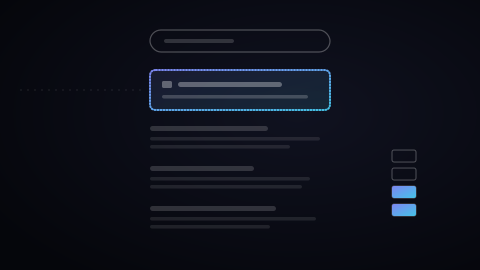
From the search to the paid click, the path has four steps:
- You choose your keywords: they describe the searches you want to show on, and their match type sets how wide they reach, as the article on keyword matching explains.
- Someone types a search: the platform finds the ads whose keywords match and runs an auction between them, search after search.
- The selected ads show: above or below the results, with an “Ad” or “Ads” label, and Shopping ads can also be labeled “Sponsored”, according to Google Ads Help.
- You pay if the person clicks: the click price comes out of the auction, and it often stays below your maximum bid.
The details of the auction and of Ad Rank, which explain how a relevant ad can rank above a higher bid, are in the guide What Is Google Ads.
PPC Platforms: Google Ads And Microsoft Advertising
Google Ads shows ads on Google Search: above or below the results, on the Shopping tab, on Google Images and on Google Maps, and on search partner sites, which a Search campaign includes by default. It also goes beyond search, with Display, video on YouTube and App campaigns.
Microsoft Advertising, formerly Bing Ads, shows its search ads with the results on Microsoft Bing, AOL, Yahoo, DuckDuckGo, Ecosia and other partners. Its Help splits the platform into two families: search advertising, for people who are actively searching, and audience advertising, on sites such as MSN, Microsoft Edge and Outlook.com. To me, it extends what already works on Google Ads: before opening it, I recommend waiting until your Google account has found the keywords and messages that convert. The freelance Microsoft Ads page explains what the platform adds.
A Real Example: 1,044,666 Impressions, 11,983 Paid Clicks
Think of a shop window on a busy street: thousands of people look at it, a few push the door, and with PPC you pay for the ones who come in. For an online store I work with, Shopping ads were shown 1,044,666 times in 90 days and clicked 11,983 times, about one click for every 87 impressions (1.15%). Google charges these campaigns on a cost-per-click basis: the store paid for its 11,983 visits, 0.68 EUR on average, and the other 1,032,683 impressions stayed free.
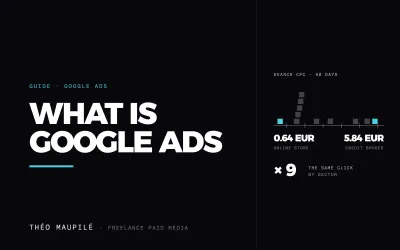
For the same store, Search ads show a different profile: 21,926 impressions, 3,219 clicks, a 14.68% clickthrough rate and a click at 0.64 EUR. The click price is almost the same; what separates them is the share of impressions that turns into a visit. To follow that price in your own account, the CPC calculator gives you your real cost per click and the maximum CPC your target CPA allows.
PPC Or SEO, PPC Or Social Ads
SEO, organic search, targets the same results pages with links that are free per click, earned through content and site quality. Between the two, the question is speed against duration: the article PPC vs SEO says when each one wins, and in what order to combine them.
Social ads start from the other end. Microsoft separates the two logics inside its own platform: search reaches people who have shown explicit interest, audience reaches your ideal audience while they browse websites. The article Google Ads vs Facebook Ads starts from the same point: Google captures demand that already exists, Facebook creates demand that does not exist yet.
Common PPC Mistakes
- Judging a campaign on click price: a click at 0.64 EUR and a click at 0.68 EUR look the same on paper; only your conversions tell you which one pays. Always read the price of a visit next to what it produces.
- Leaving broad keywords without reading search terms: the search terms report shows the actual searches that triggered your ads. That is where you see what you are really buying.
- Writing one ad for every search: the auction rewards relevant keywords and ads. An ad that uses the words of the search, and a page that answers it, win higher positions at a lower price.
The Limits Of PPC
- It follows search: a search ad is triggered by a search, and your volume stops at what your market types each month. For a new product, demand gets created somewhere else first.
- Its price follows the competition: your actual CPC depends on the ad right below yours, so on your competitors' bids and quality.
- Traffic lasts as long as the campaign: this is the point the PPC vs SEO article weighs against organic search.
Questions The Market Asks About PPC
Is Google Ads PPC? Yes. Google Ads is Google's PPC platform, and its Search and Shopping campaigns are charged per click. It also goes further, with Display, video on YouTube and apps, which can use other bidding models, such as cost per thousand viewable impressions. That whole field is the work of a freelance Google Ads consultant.
What is the difference between PPC and SEO? PPC buys a place near the results, paid per click and visible from the day the campaign starts. SEO earns a place in the organic results, free per click, through content and site quality. The PPC vs SEO article explains in which case to start with one or the other.
What is the difference between PPC and SEM? PPC names how you pay: per click. SEM, for search engine marketing, names where you advertise: on search engines. In Spanish, SEM is the everyday word for paid search on Google Ads and Microsoft Advertising, which the French market calls SEA. In most conversations, the three words point to the same ads.